Request Appointment




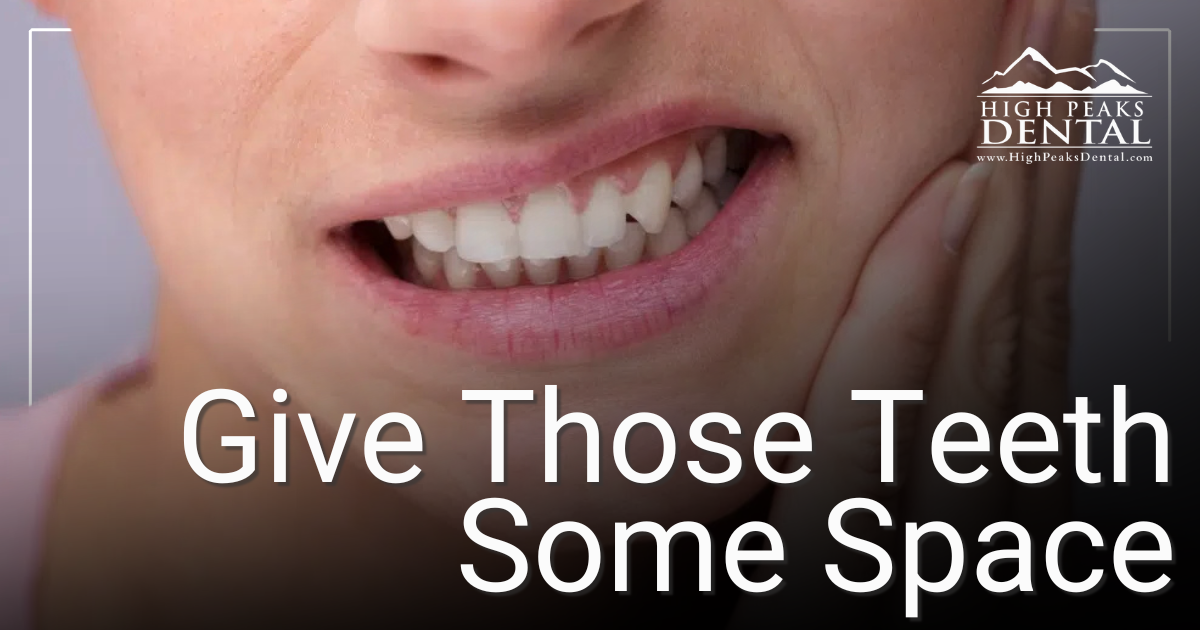
Did You Know That Teeth Spend Most of the Day Apart?
Your teeth may be neighbors, but they’re not supposed to hang out together all day. While they live incredibly close to one another, they still need their personal space. When you’re not chewing, swallowing, or speaking, your upper and lower teeth generally should not be pressed together. Your jaw has a natural resting position where the muscles are relaxed, your lips may be gently together, and there is a little space between your teeth. In other words, your teeth spend much of the day apart, and that is exactly how we like it.
So, what happens when they start spending a little too much quality time together?
Your Jaw Likes a Break Too
Think about how often you use your jaw. You talk, chew, laugh, yawn, and hopefully smile at least a few times during the day. That is plenty of work without adding hours of unnecessary clenching to the schedule. When your jaw is relaxed, the muscles get a chance to rest. But if you regularly hold your teeth together or clench them, those muscles may remain active when they don’t need to be.
The tricky part is that you may not even realize you are doing it. When emotions run high or stress overwhelms you, you might end up clenching your teeth. Noticing the habit is the first step toward giving those muscles a break.
What About While You Sleep?
Daytime clenching is only part of the story. Some people clench or grind their teeth while sleeping, which is a little harder to catch because, well, you are asleep. You might notice clues to nighttime clenching, things like waking up with a tired or sore jaw or sensitive teeth, or you might notice headaches, facial tension, or changes in the way your teeth feel. Over time, excessive forces can also contribute to wear, chips, or fractures.
That doesn’t mean every morning headache or worn tooth is caused by grinding. There can be many reasons for those changes, which is exactly why we would rather have you tell us what you are noticing than try to figure it out on your own.
Your Teeth Can Give Us Clues
One advantage of seeing you regularly is that we get to know what is normal for your smile. We can keep an eye on patterns of wear, changes in your bite, damaged restorations, or other signs that may suggest your teeth and jaw are working overtime. Because we also care about how your jaw functions, how you sleep, and how your oral health fits into your overall health, a seemingly small clue can lead to a bigger conversation.
You already know we’re not shy about asking questions around here. If your jaw has been sore, your sleep has changed, or something simply feels different, tell us. Those details help us understand the bigger picture.
Let’s Do A Quick Jaw Check
Here is something you can try right now. Without deliberately changing anything, notice where your teeth are. Are they touching? If they are, relax your jaw and let your teeth separate slightly. You can try the same check occasionally throughout the day, especially when you’re concentrating, stressed, driving, or staring at a screen. Your jaw will appreciate the reminder.
Let’s Keep Those Teeth on Friendly Terms
Your teeth have to work together for a lifetime, so perhaps a little time apart is healthy for the relationship. If you have noticed frequent clenching, grinding, jaw soreness, headaches, tooth wear, or anything else that seems different, bring it up the next time we see you. We can take a look, talk about what you have been experiencing, and determine whether there is anything we need to investigate further.
If it’s time for your next appointment, schedule with us at our office located in Plattsburgh, NY. We’re always happy to see you, catch up, take care of your smile, and hopefully share a few laughs while we are at it.